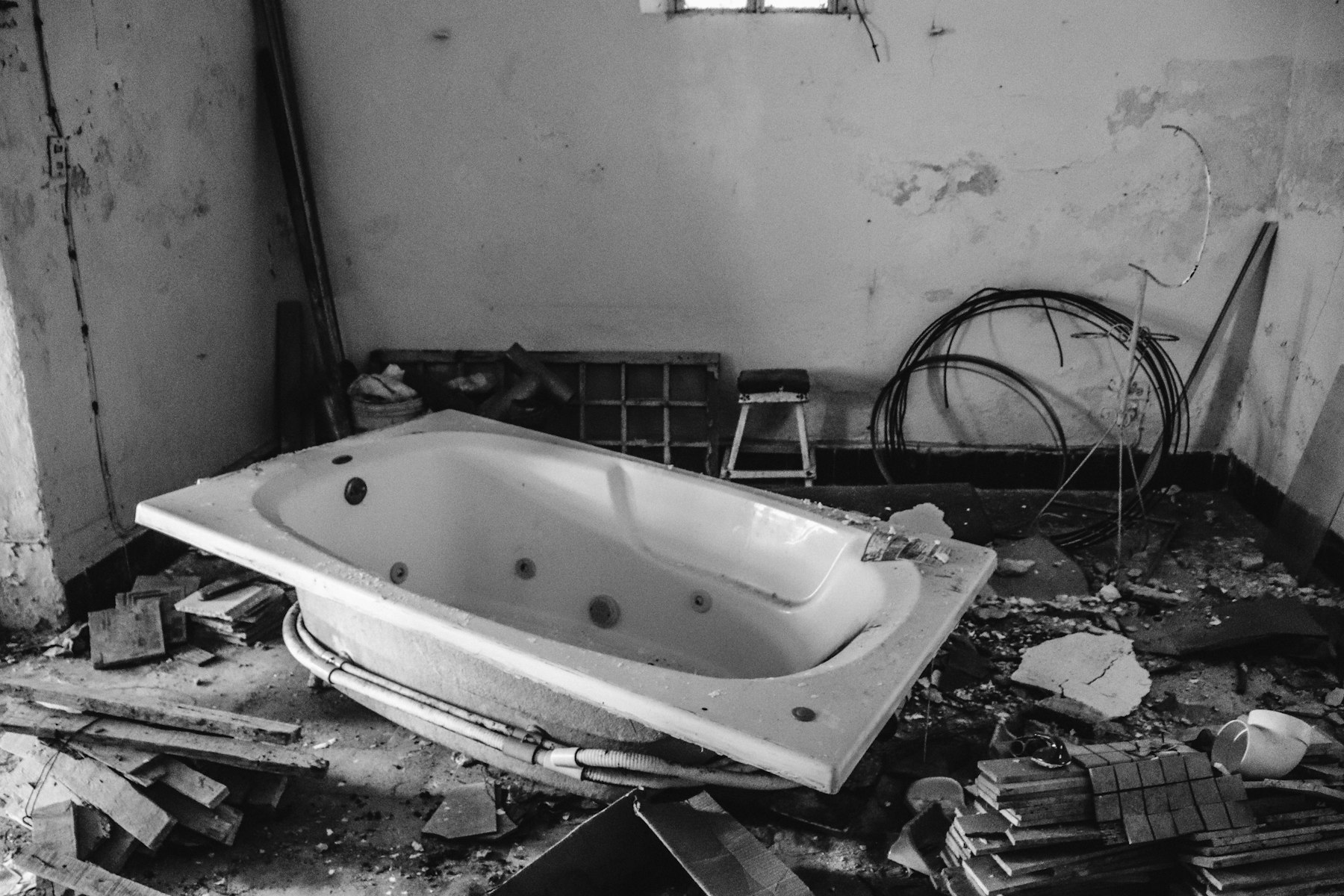
A storm rolls through Inola, and within hours homeowners are searching for a water damage company at the same time unlicensed crews are showing up in the same neighborhoods. That's not a hypothetical. It's exactly the pattern the FTC warns homeowners about, and it means a legitimate restoration business is competing for trust, not just visibility, at the exact moment it matters most.
Most local SEO advice assumes a calmer buying process: a homeowner has days or weeks to compare options, read reviews, and decide. Storm response compresses that entire process into a single afternoon, often while the homeowner is dealing with an active leak or standing water. That compression changes what actually needs to be true about a business's online presence.
The FTC Has A Name For The Real Competitor
The FTC's own guide on avoiding scams after weather emergencies lists the exact tactics to watch for: contractors who claim they don't need a license, who demand cash up front, who ask a homeowner to sign over their insurance check directly, or who pressure a same-day signature with a "discount." These aren't rare edge cases. The FTC treats them as common enough to publish a standing guide about, and every one of them is a tactic a real, licensed business simply doesn't need to use, since none of it makes a legitimate job go any faster.
The Homeowner Is Already Running A Checklist
The same guidance tells homeowners exactly what to verify: confirm the license and insurance directly with the state or county, search the business name next to words like "scam" or "complaint," get more than one written estimate, and never hand an insurance check to a contractor directly. A homeowner standing in a wet living room is running through that list in their head, consciously or not. A Google Business Profile that makes every one of those answers obvious, a real license number, a clearly stated service area, dated reviews, an actual address, is answering the exact questions the FTC told them to ask.
Why Review Timing Matters More Here Than For Most Trades
For a lot of trades, a solid base of reviews built up over years is enough. Storm response works differently because the buying moment is tied to a specific event. A review dated to this week's storm reads as current, specific proof that a real crew showed up and did the work. A wall of reviews from three years ago doesn't answer what a homeowner actually wants to know right now, whether this business is showing up for people in this exact situation, this week.
What This Actually Means For An Inola Restoration Company
Keep the license number visible on the profile and the site, not buried in paperwork. State licensing and insurance plainly instead of assuming it's implied. Use real photos of actual jobs and equipment, not stock images, the same trust signal that matters for any trade but carries more weight here because a fake photo is exactly what a storm chaser would use instead. None of this is complicated. It's just the specific, verifiable version of trust that a scared, soaked homeowner is actively looking for, and most of what makes a business look trustworthy in that moment is also just accurate.
None of this is a substitute for actually being licensed and insured. It's the difference between being legitimate and being provably, quickly legitimate to someone standing in a flooded room with a phone in one hand, which is exactly the situation this business exists to answer.
- The FTC names the exact scam pattern a legitimate storm-damage business is really competing against.
- A homeowner is checking license, insurance, and reviews in real time, often from the FTC's own guidance.
- Recent, dated reviews matter more here than in most trades, since the buying window is tied to one event.
- Real photos beat stock images, since a fake photo is exactly what a storm chaser would use.