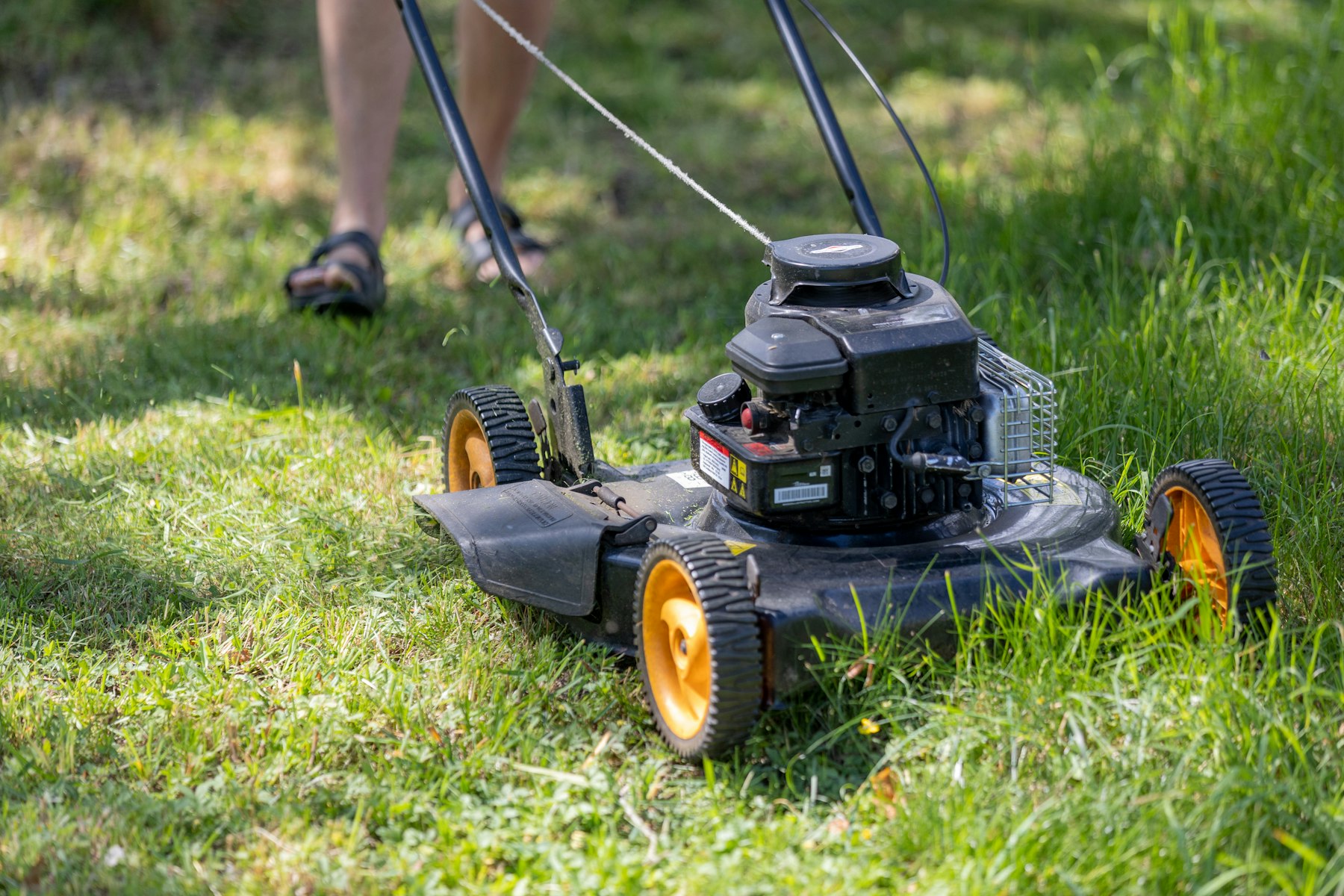
An Owasso landscaping crew is out mowing, trimming, and running a leaf blower for most of a workday, phone in a pocket or sitting in the truck. Someone drives past a job site, likes the work, and calls the number on the trailer. It rings out. No one hears it over the equipment, and by the time anyone checks the phone an hour later, the caller has already dialed the next name that came up in their Google search. Nothing about the work was lost, the lead just went to whoever answered first.
Voicemail Isn't the Safety Net It Used to Be
The old assumption is that a missed call isn't a lost lead because the person will just leave a voicemail. In practice, a lot of callers today, especially someone comparing a few landscapers back to back after searching “lawn care Owasso”, won't leave one. They're not trying to reach one specific business, they're trying to get a yard mowed, and the fastest way to do that is to keep calling down the list until someone picks up. A missed call with no follow-up isn't a maybe. For a lot of these callers, it's a job that just went to a competitor.
Why This Hits Landscaping Harder Than Most Trades
Plenty of trades deal with missed calls, but landscaping has a specific problem: the work itself is loud, and it happens during the exact hours people are calling. A plumber under a sink can usually feel a phone buzz. Someone running a commercial mower or a backpack blower for six hours straight often can't hear or feel anything until there's a natural break. That's not a discipline problem, it's a physical one, and it means missed calls are baked into the job in a way office-based businesses don't deal with.
The Fix Is a Text-Back, Not a Better Habit
The realistic fix isn't asking crew members to check their phones more, it's automating the response so a missed call doesn't just sit there. A missed-call text-back sends an automatic text within a minute or two of an unanswered call, acknowledging the call and giving the person a way to respond or book without needing anyone to physically answer. It doesn't replace calling them back later; it just closes the gap between the call and the callback, which is exactly the window where most of these leads are lost.
Call Tracking Shows What's Actually Working
Pairing that with call tracking numbers: unique numbers tied to specific marketing sources, like a Google Business Profile listing or a paid ad, adds a second benefit beyond catching missed calls: it shows which source actually generated the call in the first place. Google Ads has similar reporting built into its own call reporting for ad-generated calls, which is useful if a landscaping business is running paid search alongside its organic listing, but a dedicated call tracking setup extends that visibility to every source, not just ads.
Peak Season Is Exactly When This Hurts Most
Spring and early summer are when landscaping crews are busiest and equipment is running the longest hours, which also happens to be exactly when call volume from new customers is highest. That overlap means the worst season for missing calls is the same season generating the most calls to miss. A landscaper who goes without a text-back system in the slow season might not notice much impact, since there simply aren't as many calls coming in. The same gap during peak mowing season, with the phone buried under a truck seat for eight hours a day, can mean losing a steady stream of new customers precisely when there's the most business to win.
This Doesn't Require a Big System Overhaul
None of this requires replacing how a landscaping business operates day to day. A missed-call text-back and a call tracking number can typically be added to an existing phone line without new hardware or a change in how the crew works. It's a background layer that catches what the workday already makes hard to catch, rather than asking anyone to check their phone more often between jobs.
- A missed call isn't a soft loss: for a lot of callers it's a job gone to the next name.
- Text-back automation closes the gap between a missed call and an actual callback.
- Call tracking shows which source is actually generating the calls worth answering.