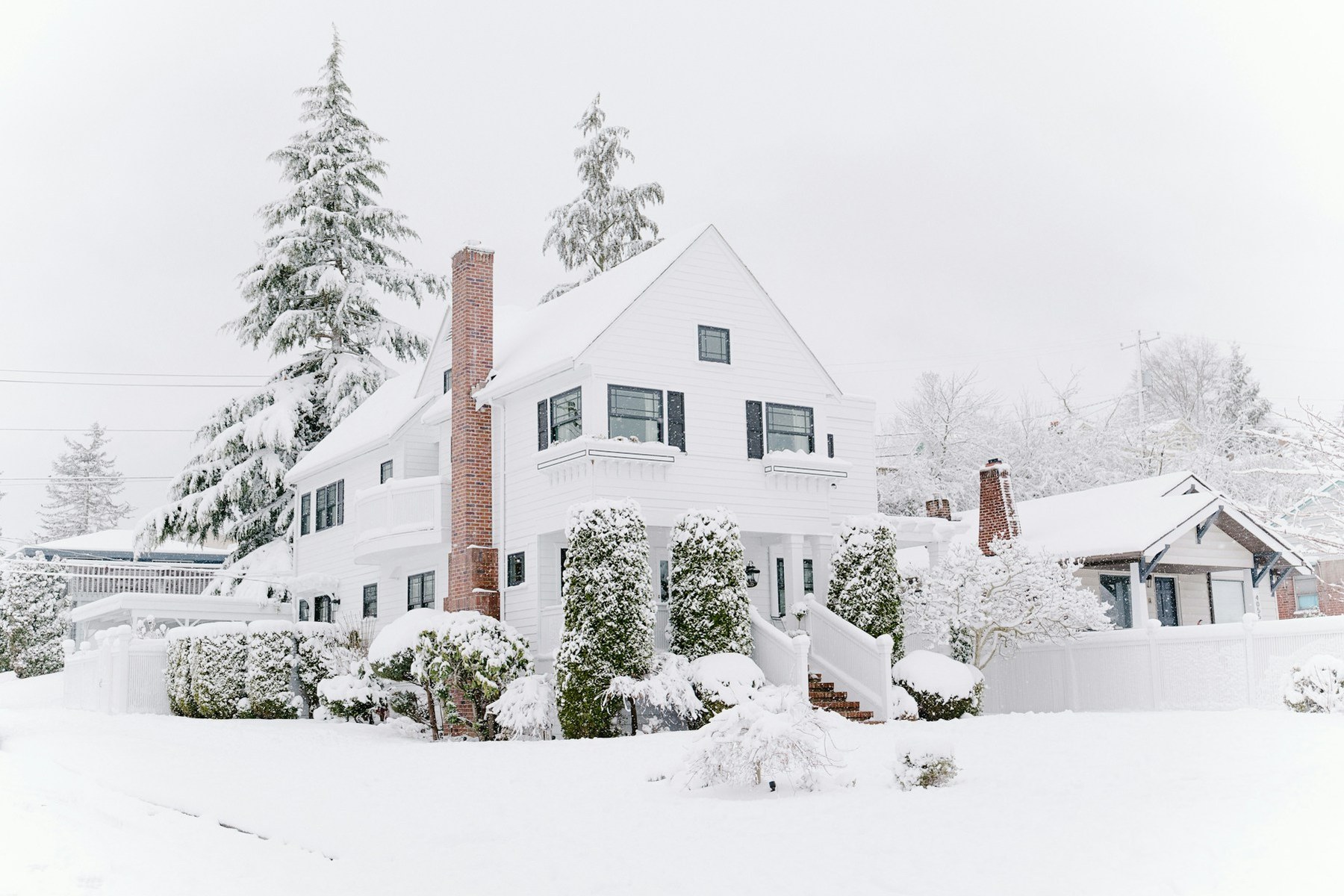
Every Tulsa HVAC company knows the summer rush. Far fewer plan for the winter one. In my experience, the same auction dynamics that hit AC ads in July show up around the first hard freeze, just less dramatically than a Tulsa heat wave. The companies that treat it as a surprise pay for that.
The Dates Are on the Record
The National Weather Service in Tulsa keeps freeze records going back to 1906. Its freeze records page lists the mean first freeze (32 degrees) of the fall as November 3rd and the mean first hard freeze (28 degrees) as November 14th, using records from January 1906 through May 2026.
Those are averages, not promises. Some years the cold arrives earlier and some years later, which is the whole point. The plan can't be "start when it gets cold." By the time a real cold snap is on the forecast, every other HVAC company is turning ads on too.
Why Starting Cold Costs More
Google's auction rewards accounts with an established click and conversion history. What I've seen is that a campaign running steadily for a few weeks before a seasonal spike tends to pay less for the same keyword than one that switches on the day the weather turns. It's the same reason I tell HVAC companies to start AC ads in April, not June, which I laid out in the piece on why ad costs jump every summer.
What To Do in October
- Turn on a baseline furnace campaign in early October, at low spend, so the account has history before the average freeze dates.
- Split emergency searches from routine ones. "Furnace not working" and "no heat" belong in a different campaign from "furnace tune up" and "furnace maintenance," so a routine click doesn't eat the emergency budget.
- Set an ad schedule so a capped daily budget is still there in the evening, when a lot of homeowners are searching after work.
- Make sure every call gets answered. A no-heat call on a cold night behaves like a no-cool call in July: the homeowner calls the next number on the list.
Two Freeze Dates, Not One
The two averages on that page mean different things. A freeze is 32 degrees or colder, and a hard freeze is 28 degrees or colder. The mean dates sit eleven days apart, November 3rd and November 14th. If you turn campaigns on in the first week of October, you have about four weeks of account history before the first average date and about six before the second. That's not much time, and it's why "wait and see" loses.
A Simple October Timeline
- First week of October: baseline furnace campaign on, emergency and routine split, ad schedule set.
- Mid-October: read the search terms report, add negative keywords, and confirm calls are being tracked back to the campaign.
- Late October: raise the emergency budget ahead of the average dates, based on what the account has already shown you.
- Early November: the averages arrive. You're already in the auction with history behind you.
What I'm Still Measuring
On September 15 I pulled Google's Keyword Planner numbers for furnace searches, before heating season started. I plan to pull the same terms again in late October and compare, so the next piece on this can use a real before and after instead of a national rule of thumb. If you run an HVAC account, your own search terms report for October is a better source than any blog, including this one.
This is the same seasonal thinking behind how I approach HVAC marketing in Tulsa: plan for the spike, don't react to it.