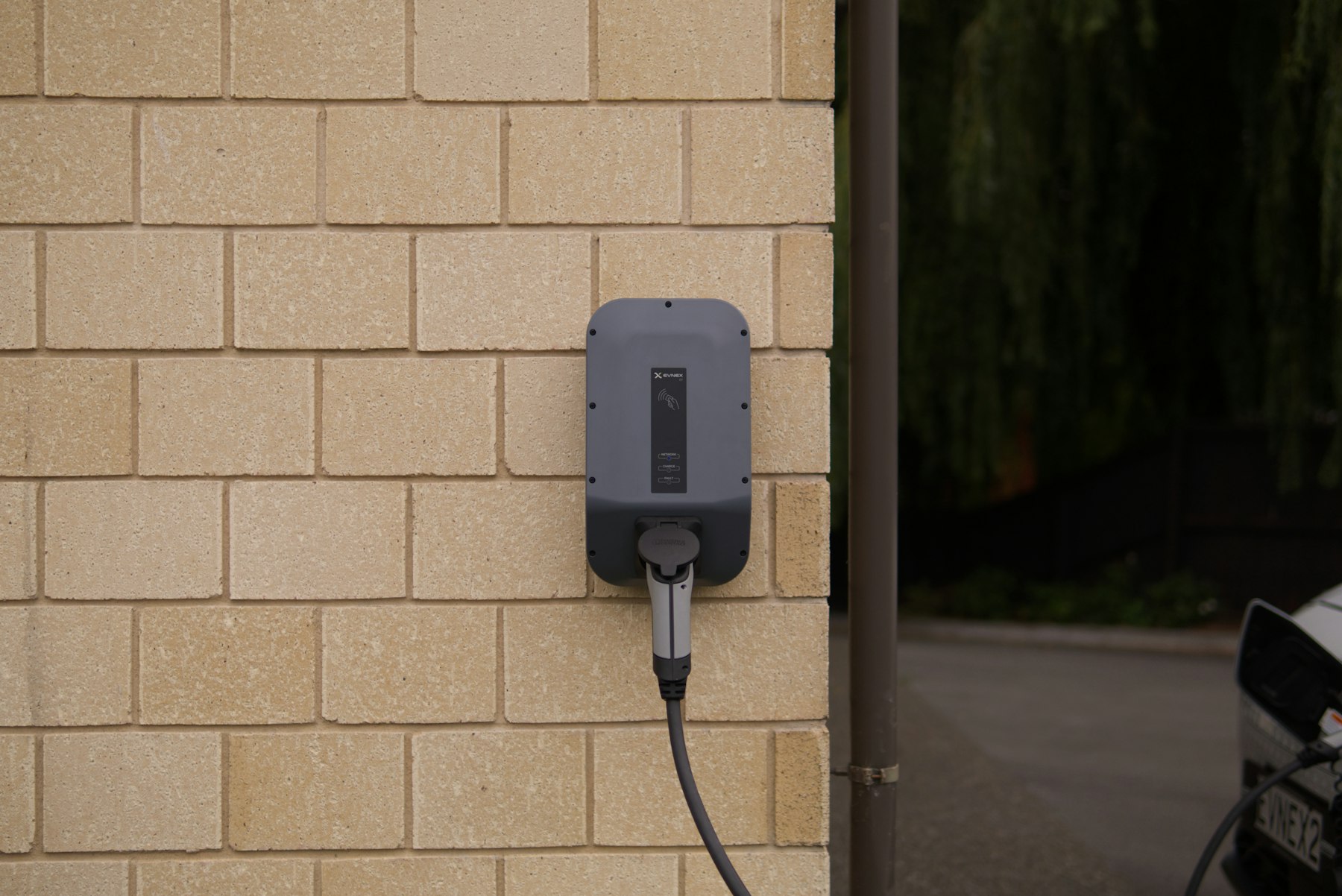
For a few years, a Skiatook homeowner putting in a Level 2 charger had a real financial reason to move fast: a federal tax credit worth up to $1,000. That credit is gone now. What never went away is a much simpler, more durable problem: most homeowners still don't know who's actually supposed to install one of these.
The Federal Credit Really Did Expire
Per the IRS, the Alternative Fuel Vehicle Refueling Property Credit covered 30% of the cost of a home charger, up to $1,000, for property placed in service between January 1, 2023 and June 30, 2026. That window has closed for residential installations. Any landing page or ad copy still leading with that credit is now actively working against the business running it, since a homeowner who checks will find the incentive is gone and start wondering what else on the page is out of date.
The Real Friction Was Never the Rebate
A lot of homeowners assume installing a home charger is a plug-and-go purchase, something they can pick up at a big-box store and handle themselves over a weekend. In most jurisdictions that's not accurate for a hardwired 240-volt unit. That work falls under NEC Article 625, the electrical code section governing EV charging equipment, and typically requires a dedicated circuit, an electrical permit, and a licensed electrician, the same category of work as adding any other major circuit to a home's panel.
That confusion shows up as a very specific kind of search: someone who already owns the charger, or is about to, and is trying to figure out who to call next. That's a warmer lead than almost anything a paid campaign can manufacture, since the purchase decision is already made and the only open question is who does the electrical work.
Marketing to the Confusion, Not the Rebate
With the financial incentive off the table, the more durable opportunity is answering the question homeowners are actually stuck on: do I need an electrician for this, and what does the permit process look like. That's a similar shift to the one covered in how solar buyers actually research online before ever calling anyone, the searcher wants clarity before commitment, not a sales pitch built around an incentive that's no longer real. A Skiatook electrician who owns that explanation is building something that outlasts whatever the next rebate cycle happens to be.
State and Utility Incentives Still Move, So Don't Anchor on Any One of Them
The federal credit's expiration is a useful reminder that any single incentive is a moving target, state programs and utility rebates change on their own schedules too, and a page built entirely around one specific dollar figure has a short shelf life by design. The more durable version of that content states what's true right now, links to the program's own page as the source, and gets checked periodically rather than being written once and left untouched for years. A business that treats incentive information as something to maintain, not something to publish once, avoids ever being the outdated result a homeowner catches mid-search.
- The 30% federal home charger credit expired June 30, 2026, confirmed directly on IRS.gov.
- Most homeowners still don't know a licensed electrician is required for a hardwired 240-volt install under NEC Article 625.
- Content built around that confusion outlasts any single incentive and captures demand competitors are missing.